
Music production
Custom music vs stock music: how to choose for a brand video
Compare the music your edit needs, approval stages, usage terms and delivery versions before choosing a library track or commissioning a score.
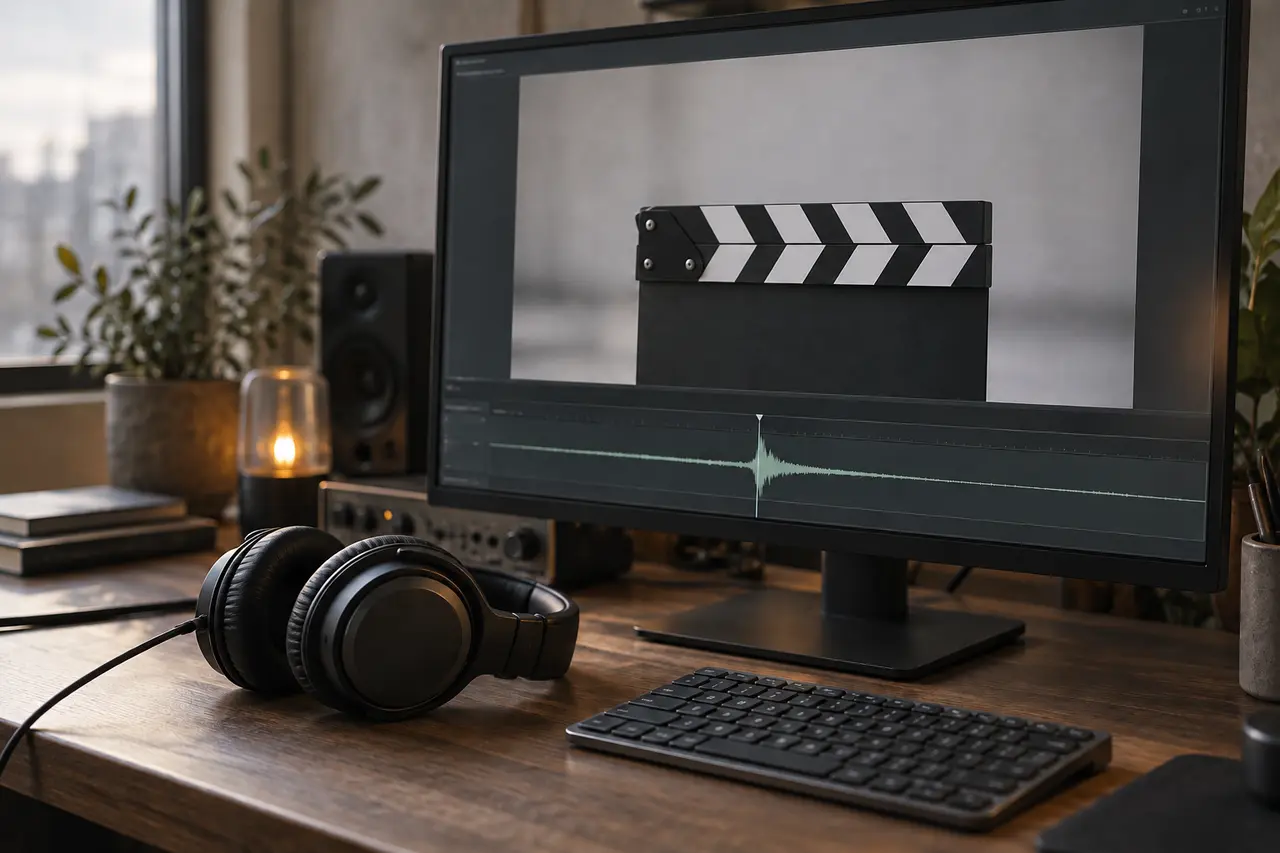
Choose a stock track when an existing recording works with your edit and its terms cover the planned uses. Consider custom music when the musical structure, timing or character needs to be developed for the film. Compare both against the same brief: where the music should change, what must stay clear, which versions you need and when approvals can happen.
Give the music a specific job
Stock or library music is an existing recording offered for licensing. Custom music is developed for an agreed project brief. Begin by describing what the video needs from the music, before choosing either approach.
In a film led by narration, the music may need to leave room for the voice and maintain a steady pace. A product reveal may need a change at a particular shot and a deliberate ending for the logo. Write down those moments and try any candidate track against the picture, including the ending.
Ask the team what would make a track unsuitable. A vocal might distract from a spoken message; a musical climax might arrive before the reveal. These observations turn “we want something cinematic” into a decision the editor and music team can work with.
Compare both approaches against the edit
Use this table to prepare questions. The answers depend on the recording, licence and production scope you are actually considering.
| Question | Stock or library track | Commissioned music |
|---|---|---|
| Does the musical direction fit? | Audition the available recording against the film. | Agree the direction and what the first demo should establish. |
| Where must the music change? | Check whether the track and permitted edits can meet those points. | Mark the picture cues to address in the brief. |
| What can be revised? | Confirm which edits and source files are available and permitted. | Agree feedback stages, revisions and changes of direction. |
| Which versions are needed? | Check the actual versions, endings or stems offered. | Specify the versions and files to include in the scope. |
| How will the video be used? | Check the track's licence against the intended uses. | Put the agreed usage and rights terms in writing. |
| Who approves the music? | Identify who signs off on the selected track and edit. | Identify who approves the demo and subsequent production. |
A useful listening test is to play the proposed music beneath the actual voiceover, effects and edit, at a sensible review level. Note the moments that work and the ones that need a change. If the picture is still moving, identify which timings are provisional so the music decision can account for them.
Put the work and approvals into the budget
For a library option, allow for finding and reviewing tracks, the applicable licence, editing and any work needed to fit music into the finished soundtrack. For a commission, ask which composition, arrangement, recording, production and delivery tasks the quote covers. State who will handle the final mix with dialogue and effects.
Musicbed's custom-music process provides a concrete provider example: concept and collaboration lead to demo approval before recording. Its enquiry asks for references, a brief and a budget. Ask your chosen studio how its own milestones work.
Separate the date of the first music proposal from the date you need approved audio. Reserve a feedback window and identify one person to consolidate comments. Ask what happens if the video length, musical direction or approved recording changes after a milestone.
Compare the total for the work you need. A library subscription and a commissioned production quote may describe very different tasks. Put the open items beside each option and ask for a written estimate once the scope is clear.
Record the intended uses and check the actual terms
List where the finished video will appear: the brand's website, organic social posts, paid digital advertising, broadcast, events or other planned channels. Also name the client or brand, relevant territories, campaign period and any later reuse you already expect. Ask the provider to confirm the applicable terms for that plan.
For example, Adobe's audio guidance lists social media, websites, digital ads and corporate presentations under its standard audio licence. It lists film and broadcast among uses requiring an extended licence, currently offered to Enterprise customers. These are Adobe's terms, checked on 18 October 2026; confirm the current licence for the chosen track and use.
For commissioned music, ask the studio to document usage, credits, any exclusivity and any rights transfer you need. Identify supplied samples or other third-party material that needs a separate discussion. Keep the written terms and the track or project reference with the final files so the team can find them when the campaign changes.
Name the versions before the music is approved
A short campaign can require several musical endings or structures. Use the following hypothetical campaign to see what to specify, then replace the durations and requests with your actual plan.
| Example video version | Decision to agree | Music deliverable to discuss |
|---|---|---|
| 30-second main film | Where the reveal and final logo land | A music version with the agreed shape and ending |
| 15-second cutdown | Which musical idea must remain recognizable | A shorter structure that fits this edit |
| 6-second bumper | Whether the opening or ending carries the idea | A brief musical phrase and an agreed finish |
Write down whether you need a stereo music file, separate stems, an alternate ending or a version with space for narration. Confirm file formats with the person receiving them. These items need an explicit agreement with the library or studio; the name of the music option alone does not establish the files included.
If picture changes are likely, say how and when they will be confirmed. The editor may need a provisional music version while the final cut is being approved. Agree which stage is suitable for that handoff and how subsequent changes will be handled.
Use a decision checklist, then send the brief
Before selecting a track or commissioning music, check that you can answer:
- What should the music do for the scene, message and audience?
- Which timings, voiceover passages or ending need particular attention?
- Does an available recording meet those needs with permitted edits, or is new musical development needed?
- Which uses and any exclusivity or rights-transfer requests need written confirmation?
- Which video lengths, music versions and files are required?
- Who approves the music, when can they respond and what budget is available?
Bring unresolved questions into the first conversation. A fictional enquiry might say: “We have a rough cut for a product film. The reveal is at 0:18, the voiceover runs through the opening and we also need a shorter edit. We'd like to discuss whether an existing track can fit or whether to develop music around those moments.” This fictional note identifies the open decision and the moments the music must address.
For an AER enquiry, describe the video, the music's role, a few annotated references, planned uses, versions, timeline and estimated budget. Our production scope, pricing, usage, credits, licensing and any rights transfer are agreed for each commission. Explore AER's music production services, then use the studio enquiry below to discuss the work your project needs.
Sources and notes
- Musicbed: custom music — an example of a provider's commissioning and approval process.
- Adobe Stock: common questions, audio — Adobe's stated audio-licence coverage and restrictions.
Sources checked 18 October 2026. Provider terms can change and apply to their own services. The comparison table, fictional enquiry and planning checklist are AER editorial guidance.